What Next?

         As the end of my university experience here in Bangor rapidly approaches, I am starting to think of the possible choices I will have to make for my future.

         So far all the experiences and adventures I took part in have been of great help to me and have allowed me to develop a variety of skills that I know will be useful for my future. Additionally I know these experiences will guide me in the choices I will pick for my future.

         Through these experiences I have learnt new things about myself. The trip to Florida was particularly useful and I could even say I can see myself working in the field in coastal wetland ecosystems and/or the tropics. I almost definitely know that I would love to work in the field and particularly travel and see the world and its wildlife.

I learned throughout these years that I enjoy working with birds as well, I am fascinated by their complex behavior, their evolution and their strategies for survival, from the smallest hummingbird to the flightless ostrich.

Additionally, thanks to my trip to the World Museum in Liverpool and even more to my experience of volunteering for the LIPU, I have learnt that I wouldn’t mind a career in education especially if I was to teach what I know to a group of people that are interested and involved in the topics. I like sharing knowledge and opinions about the natural world and I know how useful it is that people learn to respect, protect and appreciate our planet if we want to have a chance at saving it.

         However I’m still very unsure of what to do next, there are so many possibilities and options that I haven’t yet explored and that could influence my decisions further. I know for sure that I would like to continue my studies for a little longer and I have signed up for Masters projects with the MZool degree choice. This will be a great opportunity for me to improve on my skills and learn new ones and it will help me in the search for a job after I graduate.

         I am also considering the idea of possibly apply for a PhD, possibly even in another country, as I believe it could give me additional help in finding a job that reflects my passions, as well as finding the idea of working for a research project as a PhD student very intriguing.

         On the other hand I might need to wait before applying for a PhD and get a job first to try and save up more money. Additionally, working would give me an extra boost for my career and an extra line on my CV, and the opportunity to learn other skills that might be useful for my future.

         I would love to find a job and continue my career back home (or at least based there if working for a job that allows me to travel), but I would happily consider any possibility, knowing also how hard and unlikely it would be to find a job, related or not to zoology, back home at the moment.

         Fortunately I still have some time to think before having to actually come to a conclusion and I hope I will be able to make a more conscious and careful decision at the end of my degree.

The World Museum In Liverpool

         During reading week of the 1st half of the academic year me and some friends of mine organized a daily trip to Liverpool and decided to visit the World Museum. We were interested in visiting the museum as zoology students as it has two floors dedicated to animals: an aquarium and a natural history floor (where animals are preserved through taxidermy) and including a “Bug House”.

The frontal view of the World Museum.

The Aquarium

         Despite the small size of the aquarium section, the museum offered a great demonstration of the species inhabiting UK waters (jellyfish, sea urchins, starfish etc.), as well as few tropical and well known species of aquatic animals such as piranhas and clownfish.

A royal blue tang (Paracanthurus hepatus) from the Aquarium in the World Museum.

         It also provided accurate descriptions of each species including some interesting facts about their diet and behavior.

The Bug House

         Before going into the taxidermy area we had the chance to had a quick look at the Bug House, an exhibition of a wide collection of live insects and arthropods including leaf cutter ants, various species of beetles and cockroaches and some species of scorpions and spiders.

Leaf cutter ants were one of the many species of arthropods displayed in the Bug House.

Dead Birds and Pangolins

         The last room that mostly interested us, called “Dinosaurs and Natural World”, was dedicated to fossils, animal skulls and bones and taxidermy-preserved specimens of animals crossing a wide range of taxonomic groups including some very rare and peculiar animals such as pangolins.

One of the many species in the exposition, a cormorant (Phalacrocorax carbo).

         The exhibition begins with few prehistoric and dinosaur fossils with signs describing the natural history of our planet at the time, the evolution that brought these animals to abandon the sea to live on land and more interesting facts about dinosaurs and how they prospered for millions of years on Earth, as well as how it is believed their era ended and what came after.

         The next section focused on modern animals from the UK to the tropics and the arctic regions including information on the evolutionary traits that allow these animals to live in such environments and the effects and consequences that climate change is having on the wildlife all over the world.

An emperor penguin (Aptenodytes forsteri).

         The final part of the exhibition, which was located in a separate room included some other specimens including the pangolin, explored the work that scientists and conservationists are trying to carry out to save our planet and its wonderful variety of species.

A three-toed sloth (Bradypus variegatus).

Thoughts and Opinions

         It’s crucial that we understand and acknowledge the underestimated importance of museums in educating people about our planet and I am very lucky to have had the chance to explore this museum with my friends.

         However I don’t see myself working in a museum in the future and I would probably not choose it as a career path. Nonetheless it remains a possibility that could help me in finding my own path and open doors to a more captivating job.

Interviews And Plane Crashes

In late November this past semester we had to attend a workshop/lecture described as assessment center for our Science & Employability Skills module. At first I was unsure whether to attend as it was scheduled to be 3 hours long and I had some deadlines coming up and I had heard some rumors about it having a mock job interview which I wasn’t very excited about.

However I decided to go anyway with some of my friends just in case. And I am quite glad I did.

Airplane Crash & Survival of the Smartest

         For our first task we were split into groups of 6-7 people and given a list of items and a scenario. We were asked to imagine to have had an emergency landing on a snowy mountain in the middle of nowhere and to pick ten of the available items before the explosion of the plane crash.

         We were asked to discuss with our group members what we would take with us and why and decide together what to bring with us to survive in extreme conditions of the mountain before being saved.

         I can’t exactly remember what we took with us (mostly food and drinking supplies and items to build a shelter with) but I remember that two people from our team really wanted to bring a handgun because they thought it would be easy to hunt with it and they knew how to use one, decision of which I was a bit skeptic about.

The Mock Interview

         The second task of the day was to be interviewed one by one by the rest of our group that had individual tasks such as pick a random question to ask or keep the time.

         After each interview the interviewed person would leave the room for a few minutes while the “employers” would discuss how he/she did and what could be improved.

         I was honestly terrified by the idea of an interview but I think it went much better than I expected and not going first really helped with the stress. I took my time and answer the questions assigned to me (although I struggled with one of them as I didn’t immediately understood what it was asking and how to reply).

Final Thoughts

         This event was definitively useful and not as boring as I expected (partly might be because there were a lot less people than there should have been).

It helped me realize some of the skills that I have to work on to be able to carry out a good interview in the future and I learned important details about what to say and how to talk during an interview both while I was being interviewed and while I was the interviewer.

And although it might have not directly helped me in making a choice of what I would like to do in the future it will come in handy whenever I will be applying for my dream job.

Migrating Over Ventotene

       Last year during spring break I had the amazing opportunity to visit the island of Ventotene in Italy with a small group of other students and animal lovers.

A map showing the island of Ventotene and the nearby island of Santo Stefano with the natural reserve.

This 2 days trip was organized by the LIPU (Lega Italiana Protezione Uccelli) and was intended to give a general idea of migratory behavior and patterns in birds and provide us with some knowledge and practice on how to carry out counts and studies on migratory birds in the area.

Ventotene was chosen as destination for this workshop/field trip for its significance as a crucial stop for migratory birds flying over Italy and for its convenience both in distance and cost.

Aerial view of the island of Ventotene at sunset.

Day 1.

The 1st day started with a lecture on migration and migratory patterns of birds from Europe to Africa and vice versa (with an emphasis on raptors) and the importance of the island as a resting point during their migration.

One of the largest species migrating through Italy, the grey heron (Ardea cinerea)

We were also informed about how the scientists and staff of the organization study and count the birds at this particular stopping point and why these annual checks are important.

At the end of the lecture we had a small lunch break before moving on with the program for the day. We then got ready to go hiking on a path going up the volcanic island with a pair of binoculars each for a more practical look at what species could be encountered on the island.

A honey buzzard (Pernis apivorus), soaring the sky.

The most abundant species spotted was the European honey buzzard (Pernis apivorus), but a wide variety of marine and wading birds were also seen, including few large grey herons (Ardea cinerea) and few species of ducks.

During the night we were also able to hear the call of some shearwaters (possibly the Mediterranean or Yelkouan shearwater, Puffinus yelkouan) with their raucous cackling high pitched calls, used to find their nest and chicks in the colonies.

The Yelkouan shearwater (Puffinus yelkouan) nests on rocky cliffs like in Ventotene to protect the chick from land predators such as foxes.

Day 2.

         The second day we were given a second lecture introducing the plan for the rest of the day and giving us some information on what scientists use to study the effect on migration on the birds, on how to identify the individuals with the catch and release method and how they study the welfare of the bird populations by studying the fitness of the caught birds (e.g. fat layer and plumage conditions during migration).

         After the lectured we joined the team of scientists for our final activity and helped them in taking some of the parameters for the birds that had been caught before releasing them back into the wild.

I was fascinated by the process and even more captivated when we caught one of the most peculiar and stunning birds found in Italy: a Eurasian golden oriole (Oriolus oriolus).

A Stunning view, the Eurasian golden oriole (Oriolus oriolus).
Ph. Michel Idre

Conclusion

         I was stunned by the possibility of doing something like this as a career and I will most certainly consider the possibility of going for a job that allows me this kind of important work in direct contact with the wildlife.

Bird Flight – Lecture By Kris Crandell

         During the 1st semester this year I attended a module on ornithology. One of the lectures on the module focused its attention on bird flight and its principles.

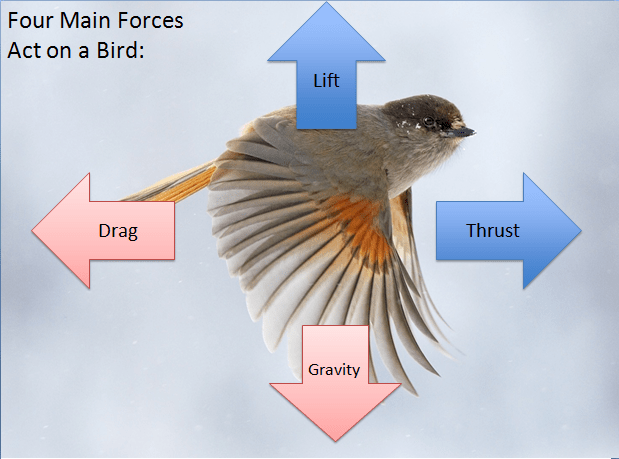
The lecturer started by posing the general idea of what is needed for a bird to be able to fly and what forces are involved in flying: Lift, Drag, Thrust and Gravity. She then started describing with perfect examples how the wings and body of birds are perfectly shaped to overcome gravity and drag, allowing them to fly.

A picture from a slide taken from Kris Crandell’s lecture showing the four forces that act on birds in flight.

She described how Bernoulli’s principle applies to bird flight to help producing lift through the wing camber (the particular shape of the wing), how birds use flapping both to produce lift and thrust and how the angle at which the wing encounters the air flow influences the lift production (angle of attack).

After talking about lift she started to describe the different types of drag that birds need to deal with when flying and how their wings and bodies have evolved to overcome these obstacles.

She described how slotted wingtips and narrower wings help reduce induced drag and how the tail and body-shape also help reduce friction and parasite drag.

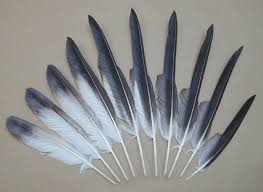
The picture shows the shapes that flight feathers can have from the more slotted (on the right) to the non-slotted (on the left).

         Finally she moved her attention on two particular types of flying that do not require much of the actual flapping of the wing and that are more common in marine birds and vultures: gliding and soaring.

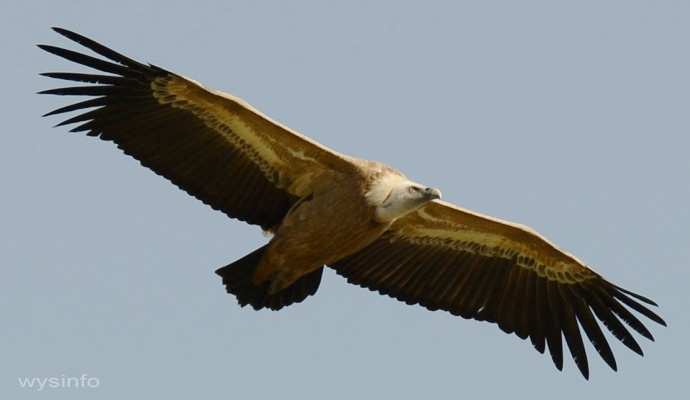
Vultures are a perfect example of birds soaring on thermal currents and gliding from one air current to the other.

         She explained how some birds in particular use gravity to their advantage to be able to glide and cover long distances without wasting energy. Additionally she explained how soaring birds harness the energy from the environment to produce lift, focusing particularly on acclivity (currents that encounter a cliff and are forced upward) and thermal air currents (warmer air currents are less dense and tend to create a vertical air flow).

Albatrosses are the best example of bird capable of gradient soaring.

         She then briefly described gradient soaring used by sea birds to fly over the ocean, explaining how the air currents closer to the sea surface usually move slower than the air currents on top.

Final Opinions

         I was fascinated by this lecture thanks to our lecturer being able to not only give us the necessary information on the topic, that I already found interesting, but also to transmit her passion over the physics behind bird flight.

I found useful being able to associate the birds physical structure to their flight behavior and, thanks to that particular lecture, to make a comparison between different birds, their shape and their flight behavior.

Getting Ethical At Chester Zoo

         As part of the Animal Ethics & Welfare this year our lecturer organized a field trip to Chester Zoo. The trip was divided into two separate section: the 1st half of our day we were left to wander around the zoo and go to see our favorite animals in their enclosures; the 2nd half of the day we attended a workshop with some members of the Chester Zoo’s staff.

Chester Zoo’s Logo.

         During the morning me and my friends went around the zoo looking for the species that we were most interested in while wondering what the workshop was going to be like and discussing about interesting animal facts and behaviors.

The pack of African wild dogs (Lycaon pictus) in Chester Zoo.

         Overall the 1st half of the day went by fairly quickly and unfortunately we didn’t have enough time to go see all the species in the zoo.

One of the many butterflies in the butterfly tropical house in Chester Zoo.

         After a quick lunch break we rejoined with all the other students in our module and our lecturer and moved to a lecture-type room not far from the jaguar enclosure.

         Here we were introduced to two members of the staff at Chester Zoo that gave us a riveting lecture on the role of modern zoos in conservation, animal ethics in practice and the differences between ethics and welfare, and zoo research projects.

A rare Bali starling (Leucopstar rothschildi).

          For the final part of the lecture we, in groups of 6-7 people, were assigned a research project that touched topics of animal ethics and welfare and discussing it within our group we had to decide whether we would allow the study to be carried out and why and if not include changes on the study and/or motivation of why it would be unethical to carry it out.

The white-rumped vulture (Gyps bengalensis) was the species of interest for the study we were analyzing during our workshop.

         Our project was in regard of the decline in population of the critically endangered white-rumped vulture (Gyps bengalensis) due to poisoning from diclofenac, an anti-inflammatory drug commonly used in India on cattle. The study focused on testing a new drug on a closely related endangered species, the white-backed vulture (Gyps africanus).

         After a engaged discussion we came up with the idea that the study should have had at least some changes before being carried out. First of all the study only focused on a very short period of time, without including an accurate analysis on possible long term effects of the drug.

The white-backed vulture (Gyps africanus), the species of vulture proposed by the study as a substitute for testing the experiment.

         Secondly it would have been best if the drug was also tested on a Least Concern labeled species first even if not as closely related as the white-backed vulture, as the negative effects on an already endangered species could do serious damage to its population.

         After our discussion every group was asked to present their thoughts to the rest of the class and discuss them with the other groups and with the lecturers.

         When our turn came up I was proud to hear that one of the lecturers thought our project was actually the most difficult one out of the available choices and that he was impressed with our work.

Thoughts & Opinions

         This field trip and workshop were captivating and I very much enjoyed both parts of the day, the second one being by far one of the best and most helpful workshop I took part in.

Field Trip To Cors Ddyga

         During the first semester on my 3rd year here at Bangor University I participated in a field trip to the RSPB reserve in Cors Ddyga on Anglesey as part of my ornithology module.

The RSPB Logo

         The objective was to gather information about the reserve and its current management plan on the conservation of its bird species (particularly 7 focal species that our module focused on), as well as take a brief count of the individual birds of each species we spotted.

Aerial view of Cors Ddyga Natural Reserve.

         With the gathered information we would have later had to write a presentation on our focal species (mine was the northern lapwing, Vanellus vanellus), and develop a new management plan that we thought could help the reserve and its inhabitants in thriving.

A majestic Northern lapwing (Vanellus vanellus), the species of wading bird my project and presentation focused on.

         Although very interesting, I found particularly hard keeping track of all the information we were given and that were needed for our following assignments as there was a lot to take in and write down in a relatively short period of time and uncomfortable position (having to write notes while walking or standing through the reserve).

         Fortunately with some team work we were able to gather and remember enough information to help us with our work and to sufficiently inform us of the challenges these kind of reserves (and natural reserves in general) have to go through to maintain the diversity and richness of the wildlife.

         During the visit we had the chance to see the different habitats that occur within the reserve and what species of wading birds and aquatic birds they host, such as the wet grasslands perfectly maintained to host one of the largest populations of northern lapwing in Wales.

Typical look of the reed beds in which bitterns and other wading birds find their ideal habitat.

As we kept walking we used telescopes and binoculars to help us with the counts and we walked on the track around the various habitats while we were informed about the different requirements and adjustments each area requires.

         It was also challenging to take accurate counts of the individual birds as they were constantly moving and not easy to spot and identify, especially when in higher vegetation.

         However the visit overall was extremely useful and informative and the good weather conditions helped making it an enjoyable and instructive experience.

A Eurasian bittern (Botaurus stellaris) in Cors Ddyga, flying over the reed beds.

         On the final part of our walk we passed by the reed beds where our lecturer informed us about one of the most important projects going on in the reserve, which focuses on the protection and restoration of the population of Eurasian bittern (Botaurus stellaris).

Final Opinions

         Although challenging, the field trip was very instructive and interesting. However I believe this part of conservation and management of a natural reserve is not intriguing enough for me to actively choose it as a career path.

         I would prefer a career that allowed me to study the habitat requirements and behavior of the wildlife rather than work for the management of a natural reserve.

         Nonetheless this remains a valid alternative and I would put 100% of effort in such job as I understand the importance of a proper management of protected areas like Cors Ddyga.

The LIPU – Lega Italiana Protezione Uccelli

When I was younger I used to participate as a volunteer to a program directed by the LIPU (basically the Italian RSPB). Near Rome the LIPU manages the natural reserve of the roman coast and I spent every Saturday at the oasis of Castel di Guido as a member of this program.

The official logo of the LIPU

When I started at Bangor University I unfortunately had to stop but last summer I was able to find some time to go there and help out with some of the more educational sides of their management plan.

My job was to help out some of the main staff in carrying out a visit of the reserve for people interested in learning about the wildlife outside of the main city and explain some of the main activities that the organization takes part in to protect our wildlife from poaching and habitat destruction.

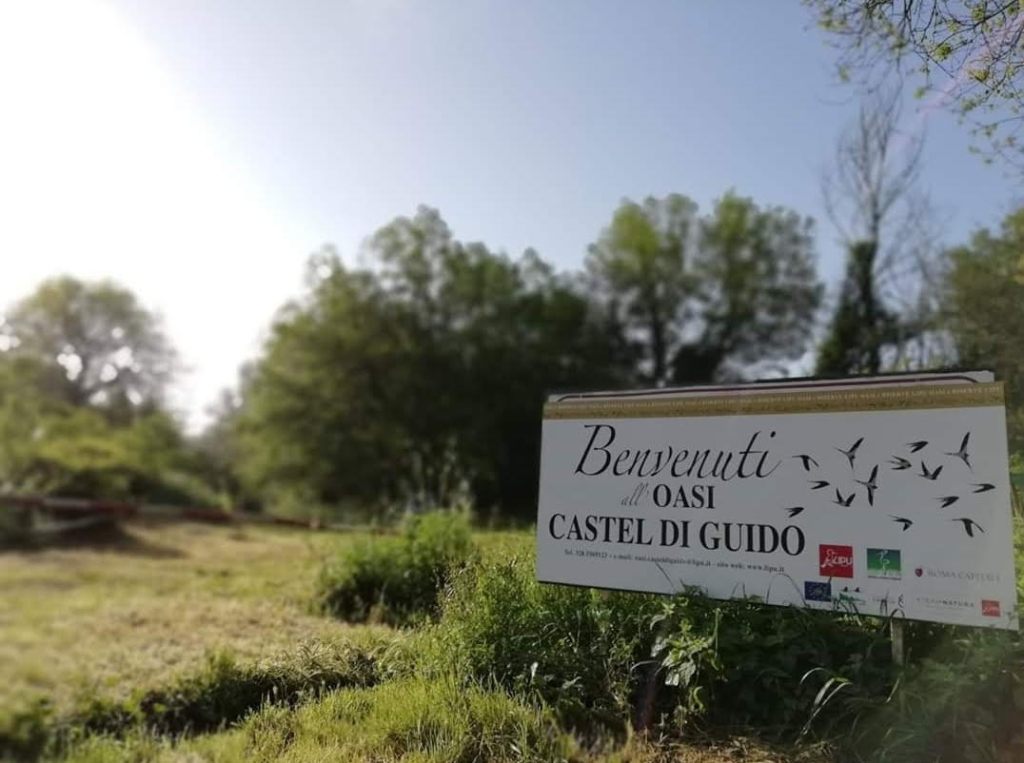
The entrance and starting point for the reserve of the Oasi di Castel Di Guido.

When I was younger I never particularly enjoyed this part of the job as I was shy and didn’t like being asked many questions by our visitors, but as I returned last summer I found this activity much more enjoyable and interesting.

I realized that I could spend my time in the woods looking for animals while transmitting my passion for the wildlife to people, both adult and children. It felt particularly satisfying to see the look on the kids’ faces after telling them some interesting fact about a track or an animal that we would encounter during our visit.

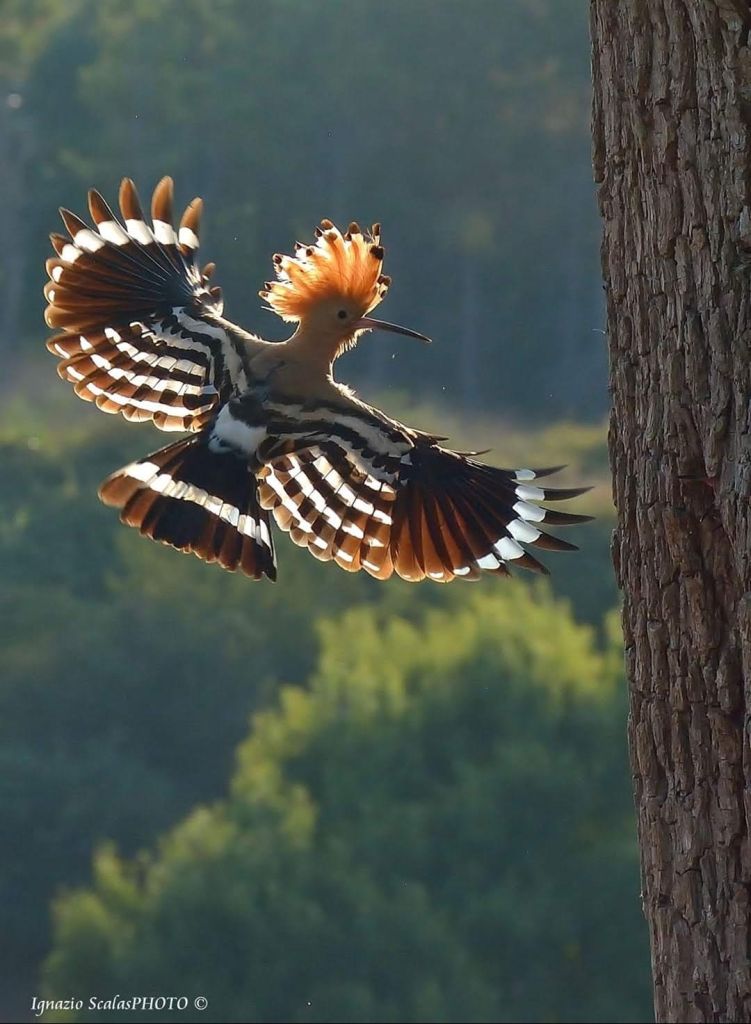
A common hoopoe (Upupa epops), the mascot of the LIPU.

Additionally, as well as teaching these kids, I was also starting to put pieces together between this experience and lectures I attended in university, and therefore expending my knowledge and understanding of that ecosystem.

Half the way through our walk we stopped at the picnic area where some members of the staff were waiting to show visitors a surprise. Earlier during the day in fact some of us had collected some tree frogs and salamanders for the talk that was about to happen.

One of the species of amphibians shown during the tour of the reserve, an Italian tree frog (Hyla intermedia).
Ph. Parco Ticino

The visitors were explained how important is the water quality for these creatures and therefore for all the species of birds that feed on them and how we must protect these wildlife refuges from pollution to maintain the biodiversity.

We also taught how to identify males and females of some of these species and gave a brief description of their life cycles and their habitat requirements.

After a quick lunch we continued on the path and informed the guests on the small pack of wolves that had recently established its territory in the reserve and how their return in the area is a very positive sign for the reserve and the ecosystem itself.

One of the wolves (Canis lupus italicus) that has only recently moved to the reserve of the roman coast.

Finally at the end of the visit we had a so called “liberazione”; a common event in the reserve where we release into the wild birds (usually raptors) that had been injured due to human activity such as hunting.

The manager of the Oasi di Castel Di Guido, Alessia De Lorenzis (on the right), with the manager of the rehabilitation center, Francesca Manzia (on the left), releasing two female kestrels (Falco tinnunculus) during the Liberazione.

Some Final Thoughts

This experience has helped me understand a potential part of my career that I might want to consider. I very much enjoyed the more educational side of conservation and I realized how helpful and important it can be if properly done.

I’ve also realized that I would probably rather end up working for a reserve this way rather than spend the rest of my days at a desk or locked in a lab without much contact with other people.

Adventure In The Mangroves

         As part of my second year I was given the option to partake in a field trip in a foreign country, and for various reasons I picked to go to Florida.

         This field trip focused on the mangrove ecosystem of Florida’s south-west coast. We stayed at Vester Marine Research Field Station.

Evening view of the canals from Vester Marine Field Station.
*(All the pictures from this post were taken by Natasha Lee, one of the other students on this field trip)

         In preparation, we were divided into smaller groups and given a topic to make a presentation on. Additionally we were asked to write a field notebook describing the wildlife we encountered and locations we visited.

Day 1. Barefoot Beach Reserve

         On the 1st day we visited Barefoot Beach Reserve, a 342 acres barrier island. The reserve is a perfect example of shifts in near-shore habitats in a relatively narrow area. From the beach to the first vegetation-covered area, to the shrubs of sea grapes (Coccoloba uvifera), ending with mangroves on the inland-facing side.

Sea Grapes (Coccoloba uvifera) are the most abundant in the shrubs of Barefoot beach.

         This shifts are a perfect example of how even the smallest changes in elevation, salinity and moisture can have a significant impact on the local vegetation and therefore on entire habitats, and how these affect the wildlife.

Ruddy Turnstone (Arenaria interpres) in its non-breeding plumage on the sandy shore of Barefoot Beach Reserve.
a Gopher tortoise (Gopherus polyphemus) in the shrubs of sea grapes.

Day 2. Audubon Corkscrew Swamp Sanctuary

         On the 2nd day we visited the most important sanctuary of the area. Corkscrew Swamp Sanctuary is home to a numerous variety of species spread through the 5 main habitats of the area.

Quick glance at a North American river otter (Lontra canadensis) in the cypress swamp.

         The sanctuary focuses on preserving the ecosystems of the Florida Everglades protecting 14 thousand acres of land from deforestation, draining and hunting. Here we were explained some conservation procedures that take place in Corkscrew.

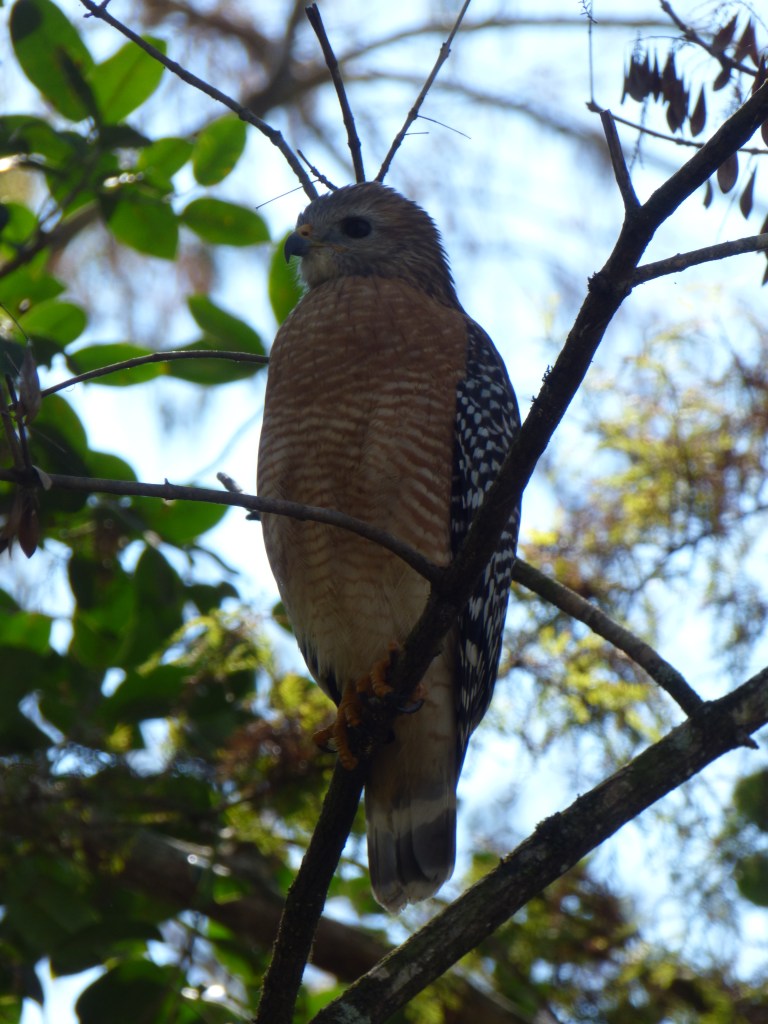
A magnificent red-shouldered hawk (Buteo lineatus).
A beatuiful ruddy daggerwing butterfly (Marpesia petreus) drinking nectar.

Day 3-4. Sampling days

         During day 3 and 4 we divided into groups and we sampled the waters around Vester’s docks (day 3) and Dog Beach (day 4). Using nets we collected samples of the wildlife inhabiting these areas while our supervisors analyzed water samples.

One of the animals caught during the sampling days, a blue crab (Callinectes sapidus).

We then studied the differences in abundance, richness and diversity. It was fascinating to find how little changes in water quality have such a big impact on the wildlife.

Day 5-6. Canoeing in the Canals & Ding Darling National Wildlife Refuge

         On the 5th day we had our presentation talk and our group focused the attention on the main threats to diversity of fauna in mangrove ecosystems.

         During the afternoon we had the chance to take the canoes and wander through the canals on our own and we were lucky enough to have some dolphins swim around us.

Leaving Vester Docks on Vester’s metal canoes for an adventure in the canals.

         The next day we visited Ding Darling Wildlife Refuge, a 7’600 acre refuge home to more than 270 bird species.

Day 7-8. FGCU and Lovers Key State Park

         On the 7th day we had the chance to attend a lecture at the FGC University and later visit the surrounding woods with a guide.

A “friendly” visitor of the Florida Gulf Coast University, a sub-adult American alligator (Alligator mississippiensis).

         On the last day we spent our time at Lovers Key, a state park well known for its mangrove forests and sandy beaches, perfect to spot shorebirds, ospreys and manatees (which unfortunately we didn’t see).

An osprey (Pandion haliaetus) soaring the sky in search of a prey.

In Conclusion

         This experience has opened my mind and if I could go back I’d do it again. It has taught me how fragile and balanced nature is and I learnt a wide variety of skills such as team work, public speaking and field work.

I’m incredibly lucky to have had this opportunity and I’m now one step closer to figure out what I want to do with my life.

Design a site like this with WordPress.com
Get started